
Beard Transplant
Beard Transplants: Achieve Dense, Natural Facial Hair
For many men, a thick, well-defined beard is a cornerstone of facial aesthetics, masculinity, and self-confidence. However, genetics, scarring, or localized hair loss in can leave many struggling with patchy, uneven, or entirely absent facial hair growth.
If you are looking to fill in patchy cheek areas, define a strong jawline, bolster a sparse mustache, or design a full beard from scratch, a professional facial hair transplant offers a permanent, elite solution. Our clinic utilizes advanced Austin hair restoration techniques to deliver seamlessly blended, natural-looking facial hair that matches the precise angles and texture of your face.
Key Benefits
Significant flexibility in beard design
Can model after specific design, fill specific areas, connect chin with sideburns, etc.
Donor hair is very similar to natural beard, end results are typically superb
Key Considerations
Donor hair comes from scalp, any hairs moved from scalp to beard can no longer be used to cover balding scalp in the future
Procedural steps
-
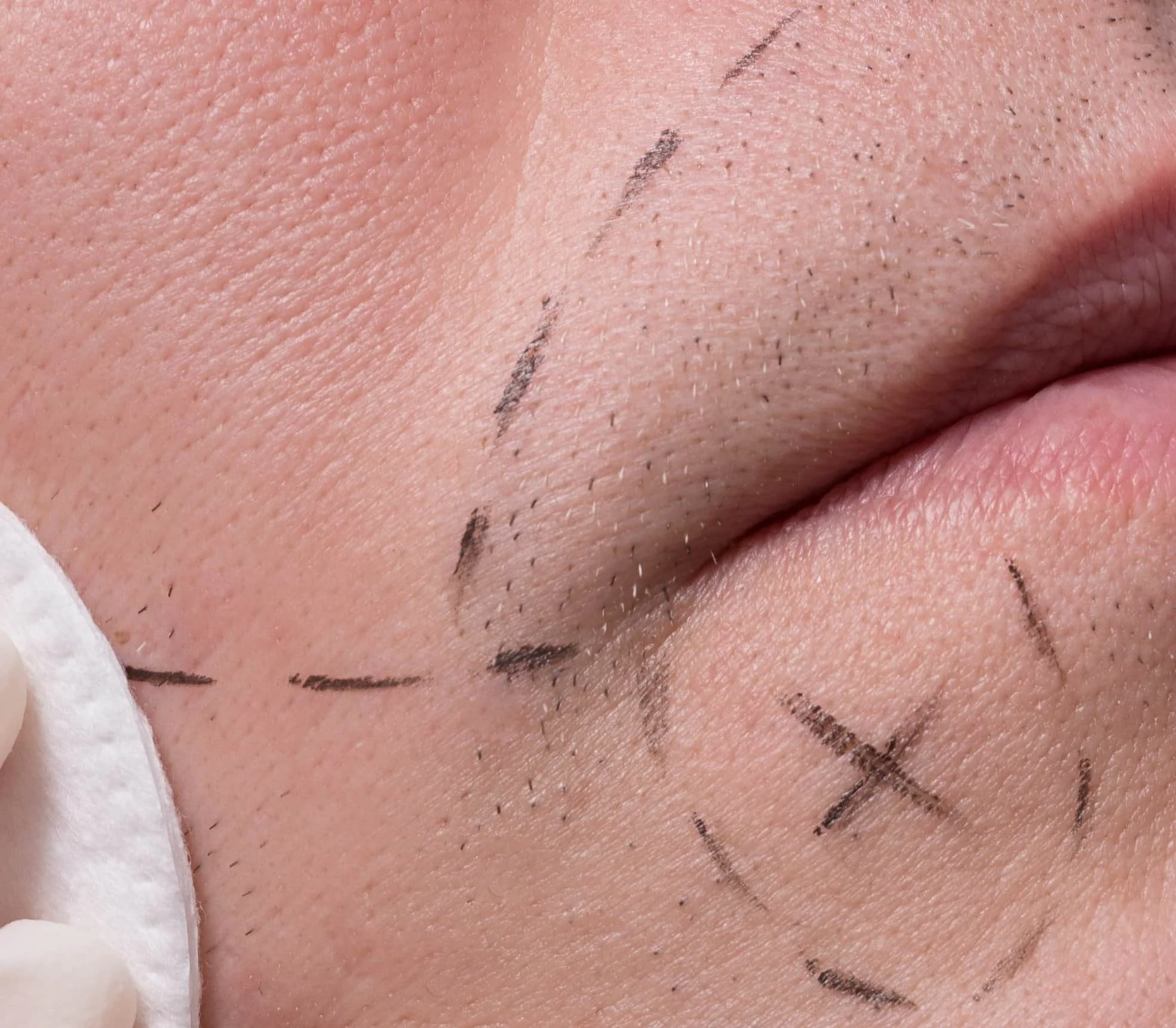
Beard Design
-
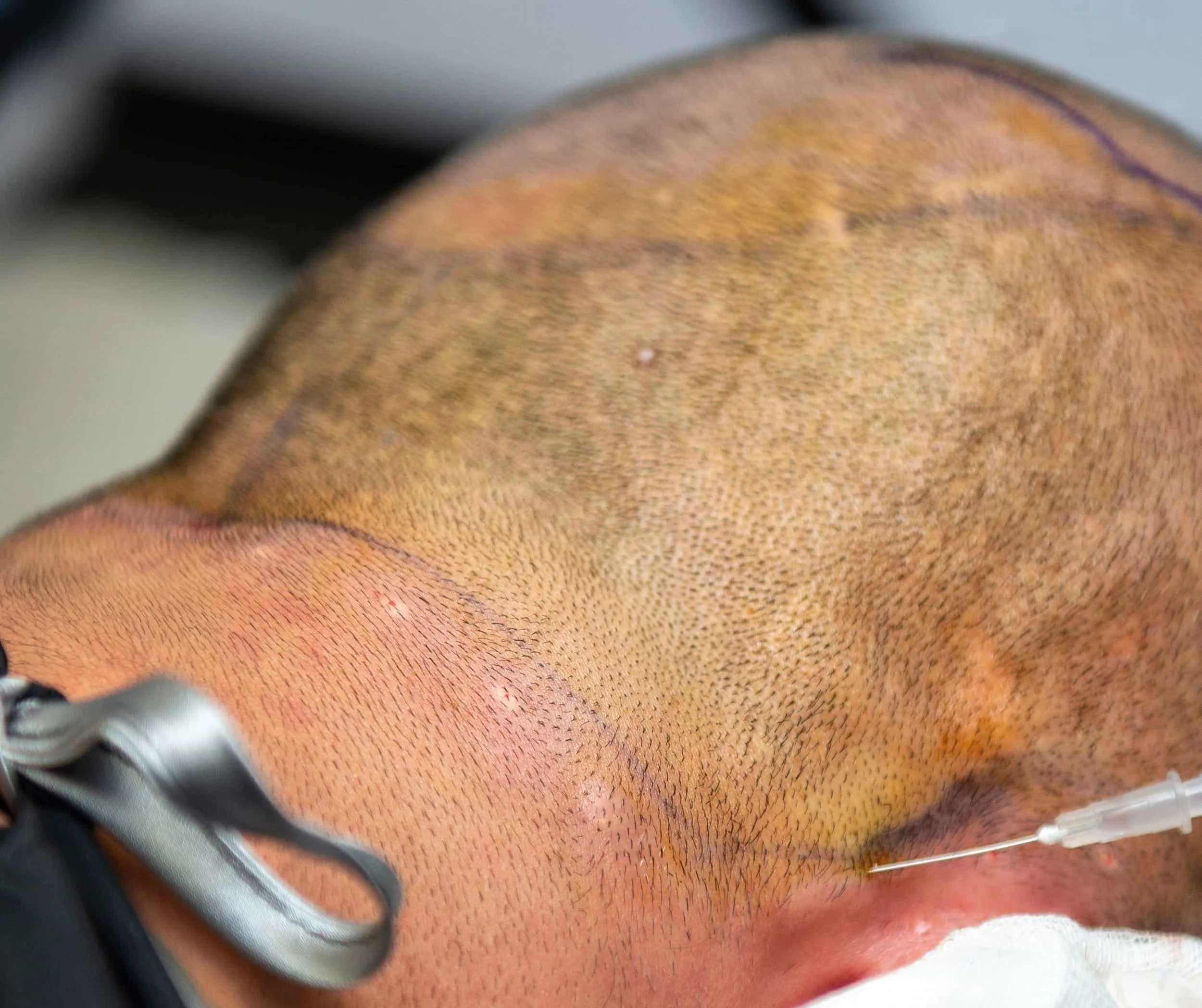
Donor Preparation
-
Donor Harvest (FUE or FUT)
-
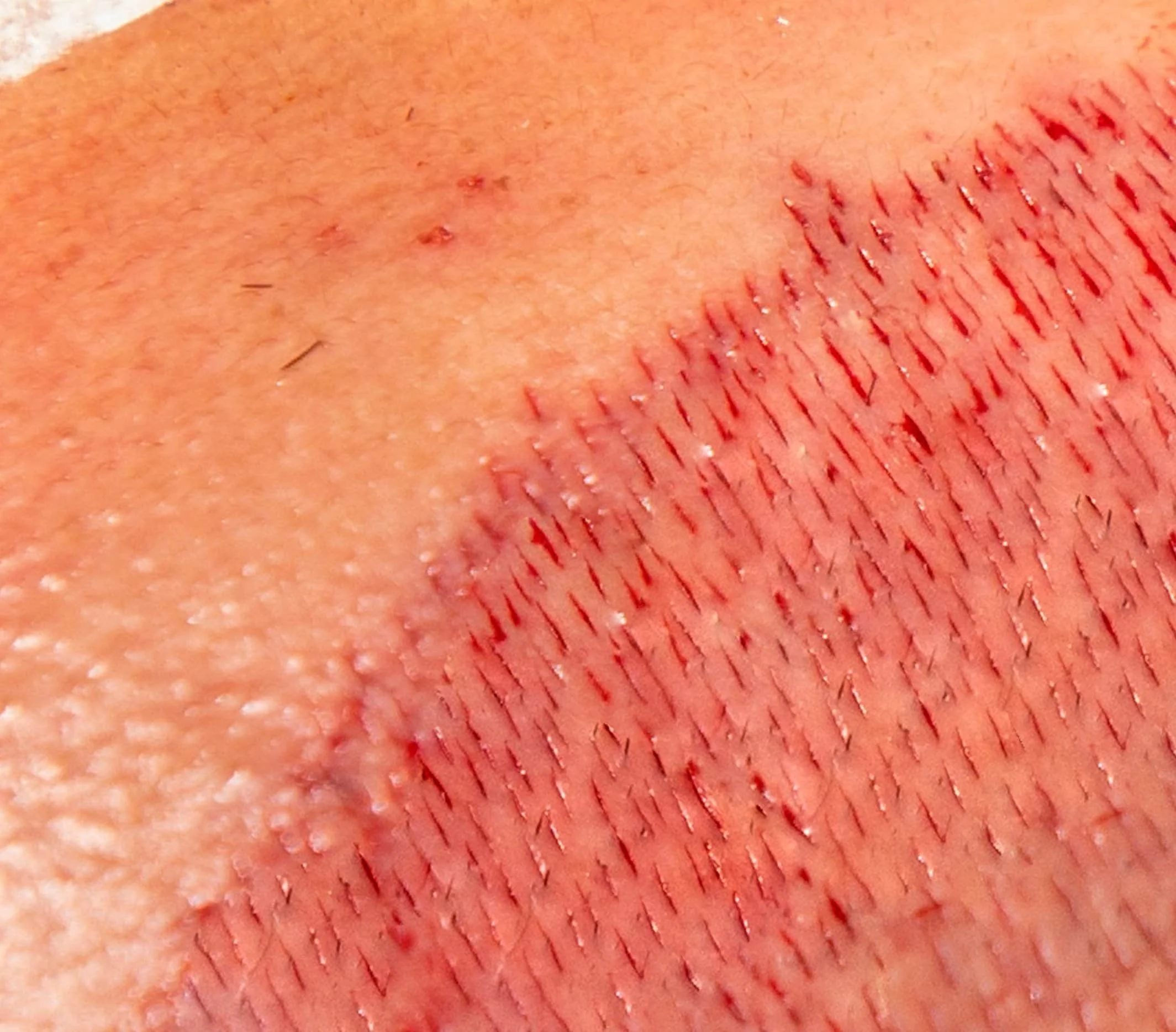
Recipient site creation
-
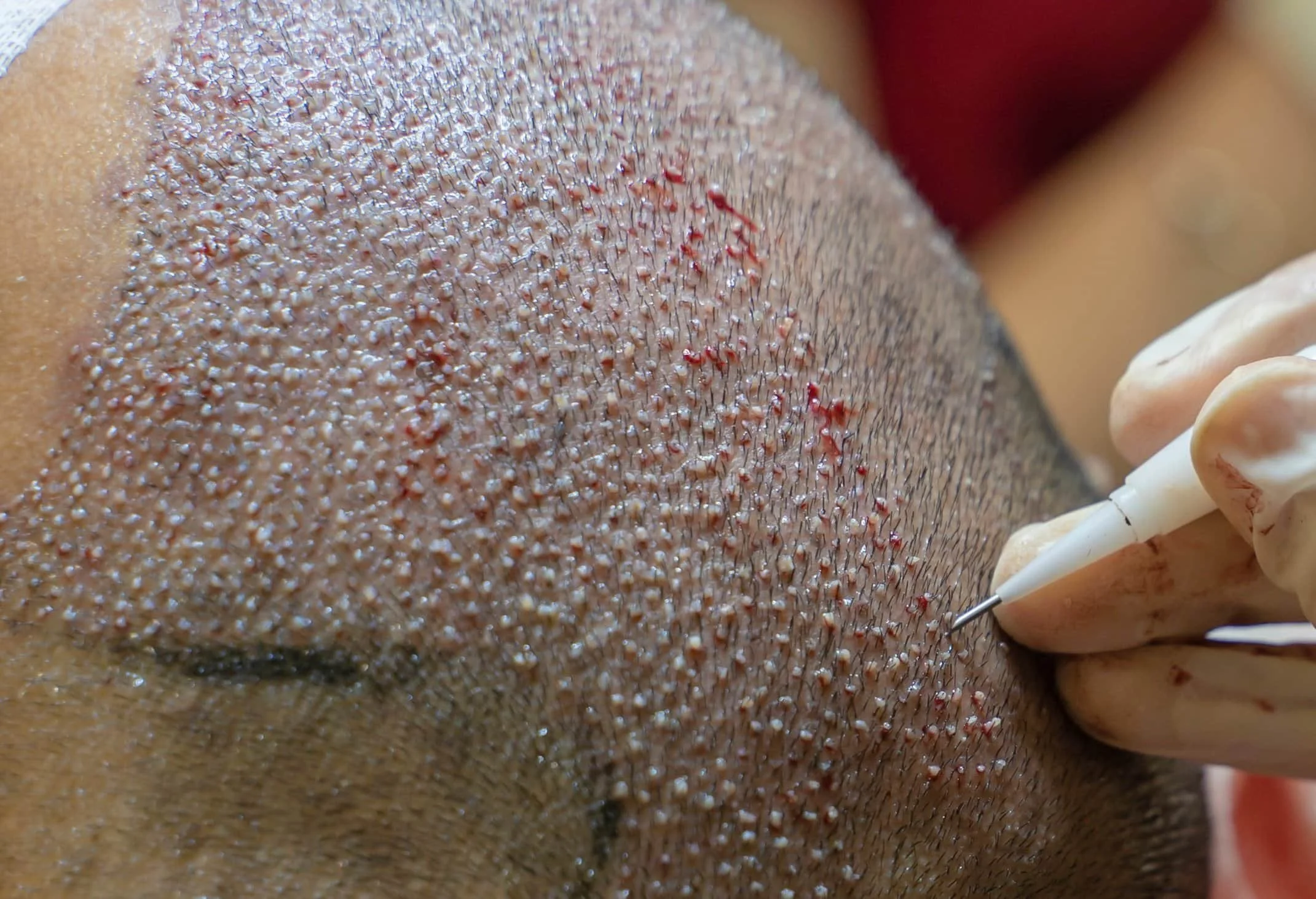
Implantation
How Facial Hair Restoration Works
A beard transplant relies on the same core scientific principles as a traditional hair transplant. Healthy, permanent hair follicles are harvested from a "donor area"—typically the back or sides of your scalp—and meticulously transplanted into the designated regions of the face (cheeks, jawline, goatee, mustache, or sideburns).
Donor Choice: FUE or FUT for Beard
When designing your treatment plan, we evaluate which surgical harvesting methodology best fits your goals and lifestyle:
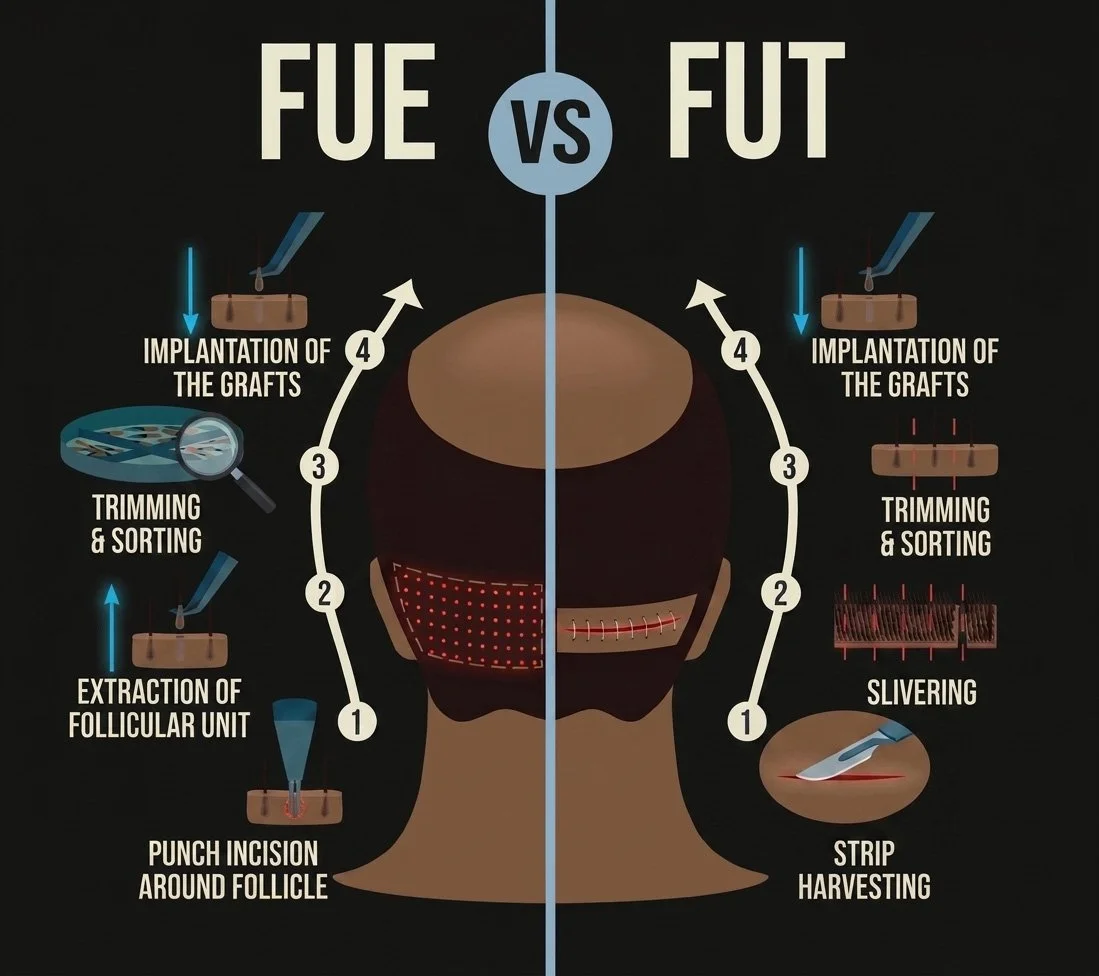
FUE (Follicular Unit Extraction): This is generally the preferred method for facial hair restoration. Utilizing a precision micro-punch device, we extract individual follicular units one by one. FUE leaves small, micro-dot scars in the donor area, making it ideal if you prefer to keep your scalp hair short.
FUT (Follicular Unit Transplantation): For extensive cases requiring a massive volume of grafts to create a full beard from scratch, a strip of tissue can be harvested. While this yields an abundance of pristine grafts, it leaves a fine linear scar that is typically hidden by surrounding scalp hair.
Frequently asked questions regarding FUE
Can hair from my scalp grow exactly like natural beard hair?
1
Yes. Scalp hair behaves remarkably well when moved to the face. While hair follicles on the back of your head naturally grow longer than facial hair if left untrimmed, when they are transplanted into the beard area, they adapt significantly to their new environment. Because we sort out single-hair grafts to match the natural fine texture of a jawline, the resulting beard can be shaved, trimmed, and groomed exactly like your native facial hair.
Is a beard transplant permanent?
2
Yes, the results are designed to last a lifetime. The hair follicles are harvested from the permanent "safe donor zone" at the back and sides of your scalp—the same area utilized in a standard Austin hair transplant. These follicles are genetically resilient and permanently retain their growth characteristics, meaning they will continue to produce hair for the rest of your life.
How many grafts are typically required for a beard transplant?
3
The exact number of grafts varies significantly depending on your anatomical goals:
Minor Touch-Ups (Filling patches or scars): 300 to 800 grafts.
Goatee & Mustache Restoration: 1,000 to 1,500 grafts.
Full Beard Construction (Cheeks, jawline, and chin from scratch): 2,000 to 3,000+ grafts. During your private hair restoration consultation, we will map out your facial symmetry to determine your exact graft requirements.
What does the healing process look like for the face?
4
Facial skin heals remarkably fast due to its excellent blood supply. For the first 3 to 4 days, you will experience mild redness, slight swelling, and microscopic pinpoint crusting around the new grafts. By day 7, these tiny crusts will naturally flake away when washing your face. Most patients feel entirely comfortable returning to social outings and normal daily activities within 5 to 7 days.
When can I safely shave my new beard after surgery?
5
You can safely trim your new facial hair with scissors after 10 to 14 days, but you must avoid clean-shaving with a razor blade directly against the skin for at least 4 weeks. This ensures that the newly transplanted follicles are completely anchored, healed, and secure beneath the surface of the skin.
Why did my new beard hair fall out two weeks after the procedure?
6
Do not panic—this is a completely normal, healthy part of the recovery timeline known as "shock shedding." Around weeks 2 to 4, the temporary hair shafts will fall out so the follicle can enter a brief resting phase. The vital living root remains perfectly safe and intact underneath the skin. Permanent, new facial hair will begin to break through around month 3 or 4.
It depends on your goals for restoring the scalp. The donor hair required for a beard transplant is harvested from the back and sides of the scalp. This area is also used in the case of a scalp hair transplant for balding individuals. Be aware, the hair that is harvested from the donor area does not grow back once moved. An individual has around 3000-8000 total donor units from the back and sides of their head, and using 2500 on the beard subtracts from this total.
Am I a good candidate for a beard transplant if I am already balding?
7
8
Can a facial hair transplant hide acne scars or surgical scars?
Absolutely. This is one of the most common reasons men seek out facial hair restoration. Transplanting healthy follicles directly into stable scar tissue is an incredibly effective method for camouflaging old acne scars, cleft palate scars, or trauma scars along the jaw and cheek areas, restoring both your beard continuity and your confidence.
Which is better for a beard transplant: FUE or FUT?
9
For the vast majority of beard cases, FUE (Follicular Unit Extraction) is the preferred choice because it allows the surgeon to select individual, fine, single-hair grafts perfect for facial matching while leaving microscopic dot-scars that stay hidden even if you shave your head short. However, if a patient requires an immense number of grafts to build a massive beard from scratch and wants to protect their budget, FUT in Austin remains an excellent, high-yield alternative.
What dictates the overall cost of a beard transplant in Austin?
10
The total financial investment is directly tied to the complexity of the design and the total volume of grafts needed to achieve your density goals. Just like evaluating FUE cost Austin or FUT cost metrics for the scalp, facial procedures are priced per graft based on the high level of surgical precision and microscopic sorting required. We provide a transparent, all-inclusive structural quote during your clinical assessment.